In the AI Era, Humans Are the Bottleneck
A year of AI-assisted development on my team: 3X the output, code review is a clear bottleneck, and the emergence of the slop cannon.
For the last few months my team’s Kanban board has been heavy in the right-hand columns. Last week we had so many stories in Ready for Deployment that we had to organize and schedule the releases to ensure we could sanely impact the health of our systems. AI has sped up the execution pieces of the software lifecycle and clear bottlenecks are emerging.
The Glum Tour: The Legacy Golf Club
First stop on The Glum Tour: The Legacy Golf Club in South Mountain, Phoenix — the best summer golf value I've found.

Quick Take
This was the scrappiest round of the year. I shot ok but really struggled on the greens. 36 putts…56% greens in regulation…62% fairways in regulation…a 41 on the front nine! I had zero feel today. My hands might as well have been made of concrete. All that said, I managed to eke out a 70s score and that’s something to celebrate. Maybe today’s kids lesson of perseverance stuck…
Durato Bombe #3 - Ethiopian Natural
Roast: Durato Bombe, Ethiopia Sidamo, natural. GeneCafe CB-101. 222g green, 12.7% weight loss, medium-light. Cupped 8/10.
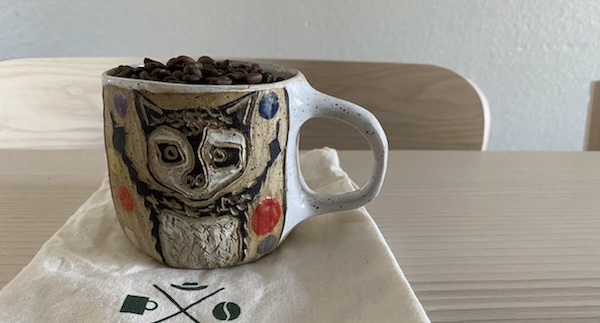 This roast was a success, mostly hitting my targets using visual, audio, and olfactory cues to manage the roast instead of a wall clock. I held the drying phase longer than ideal to reverse my mistake from last roast: not drying the beans out enough. I held the drying phase nearly to cinnamon color which stretched the timelines of this roast leading to the primary flaw of a black-tea-like astringency on the tongue. Now that I have a decent roast profile, I’m going to shorten the total roast time by a minute and a half, end the drying phase just after full yellow, and get to my 235C temperature around 10 minutes into the roast.
A Manager's Guide to Claude, Six Months Later
Six months of evolving my workflow with Claude: feature flags that clean up after themselves, an early warning system, and a snarky tabloid.
 Back in February I described Slack as my command center, generating automated briefings and team summaries, as well as a wish list that was mostly limitations. Some of my wishes came true, some didn’t, and some of my automations were sunsetted. In other words, my usage is evolving and this blog post is to document the evolution.
Claude Academy, Part 1: An AI Learning Experiment
I heard Tyler Cowen challenge Russ Roberts to run an AI learning experiment. So I ran one. This is what I built.
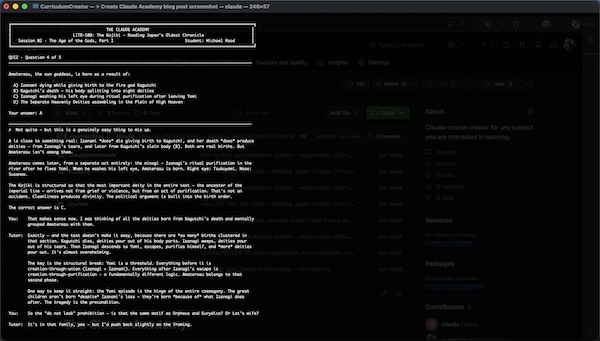 If I’m not learning, it’s time to leave. That’s the general ethos I’ve taken to my career. I enjoy learning, and life is too short to just coast by. At home, however, the things I want to learn - coffee roasting, homebrewing, obscure historical literature — these aren’t exactly Coursera staples. There’s no MOOC for the Kojiki. Even when there is, the available resources aren’t flexible enough for hobbies – funneling me down paths I’m not ready for or focusing on areas I don’t care about. A recent EconTalk may have just had a solve.
The Open by the Numbers: What the Last 5 Years Tell Us
Five years of CrossFit Open data broken down by movement frequency and pairings — and what I'm personally taking away from it.
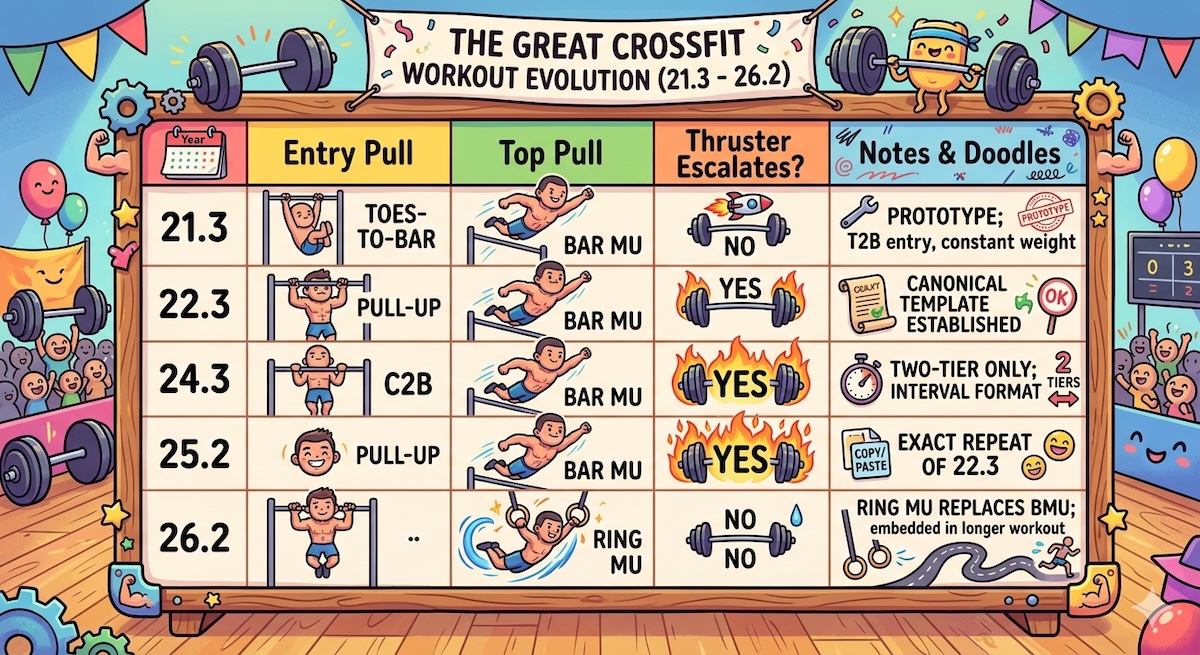 The rig-ladder has become the most preferred method of sorting athletes by strength and ability. This year it dawned on me that workouts that were self-sorting were increasing in frequency, and now I have data to confirm those suspicions.
Cheesy Olive Loaf
A richer, brinier take on the cheesy loaf — milk for half the water, green olives, and brown sugar.
 Olives belong in bread. And sometimes bread should be the meal. So I added olives to my cheesy bread loaf and upped the fats. This fat and gluten balloon is a celebration of my move back to America. Freedom. Liberty. Calories.
Building a 15-Year CrossFit Open Database with Claude (And Auditing the Results)
I handed Claude a vague goal — build a queryable database of every CrossFit Open workout from 2011 to 2026 — and watched what it did. How it stored data, where it sourced the gaps, and whether I could trust the result.
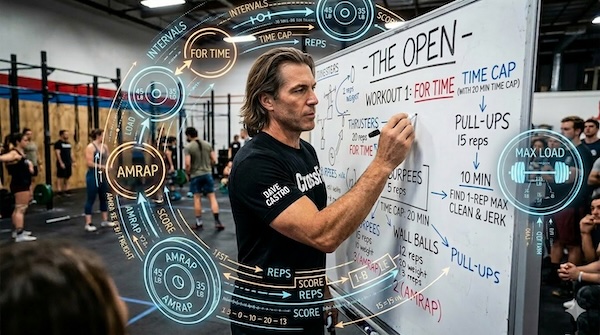 The 2026 Open just wrapped. And now that the gym is back to normal, I find myself doing what I always do: overthinking the Open workouts. Which movements keep showing up? Are AMRAPs actually more common than For Time workouts, or does it just feel that way? And is the rig ladder format — the one that ends every Open with a pull-up-to-C2B-to-muscle-up escalation — a recent programming method?
A Manager's Guide to Working with Claude
Engineering management on autopilot: Claude automates team summaries, release plans, and engineering metrics—surfacing risks and bottlenecks before I start my day.
I start most mornings with my coffee and two (sometimes three) automated summaries waiting in Slack. One tells me what my team did yesterday—tickets moved, PRs opened, potential bottlenecks. The second checks upcoming releases and cross-examines those with our JIRA board, flagging changes stuck in QA or review. The third is a recap of my team’s weekly performance in terms of velocity and defects. By the time I’m at my desk, I have a good idea of where to put my focus and what to follow up on. These automations let me spend more time diving into PRs and resolving risks and less time pulling data to understand where the risks might be.
Buttery Brioche Loaf Recipe
Rich, pillowy homemade brioche loaf perfect for sandwiches and toast. Easy recipe with step-by-step instructions.
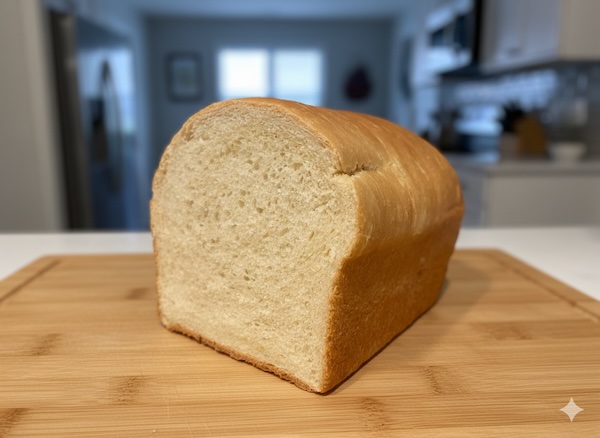 Health be damned, this homemade brioche loaf features sugar, butter, and eggs to create a richhly soft bread ready for toasting or soaking up butter, jelly/jams, sandwich meat, etc. Not rich enough for you? Double the butter and eggs and replace half the water with milk and embrace the fats and cholesterol.